What's Really Happening in Your Brain Every Time You Hit Spin
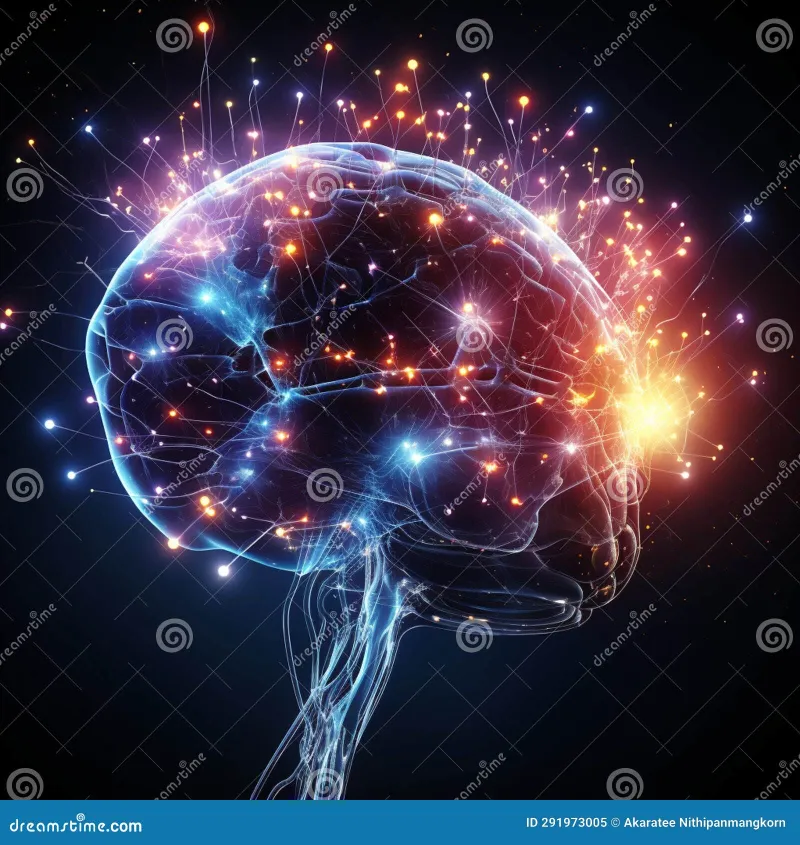
Photo: brain neurons glowing colorful light reward psychology concept, via thumbs.dreamstime.com
There's a reason you tell yourself "just one more spin" and somehow end up playing for another forty-five minutes. It's not a willpower problem. It's not even really about the money. What's happening is something far more fascinating — and it's all going on inside your head.
Modern slot games are, at their core, sophisticated psychological experiences dressed up in tropical flowers, ancient ruins, or neon cityscapes. The designers behind them know a remarkable amount about how the human brain responds to uncertainty, reward, and anticipation. And once you understand the mechanics at play, the whole experience hits differently.
The Dopamine Loop: Your Brain's Built-In Reward System
Let's start with the big one. Dopamine is a neurotransmitter — a chemical messenger in the brain — most commonly associated with pleasure and motivation. But here's the thing: dopamine doesn't just fire when you get a reward. Research has shown that it fires hardest during the anticipation of a potential reward, especially when that reward is uncertain.
This is the foundation everything else is built on. When those reels start spinning, your brain doesn't wait to see the outcome before getting excited. It starts releasing dopamine the moment you hit that button. The few seconds of spinning? That's your brain essentially vibrating with possibility. Slot designers know this, which is why so many games have extended that spin animation, added dramatic slowdowns, or introduced "reel reveal" mechanics that drag out the moment of uncertainty as long as possible.
Think about it next time you're playing a Hawaiian-themed slot and those tiki symbols creep into view one reel at a time. That's not just aesthetics — that's your dopamine system being played like a ukulele.
Near-Misses: The Almost That Keeps You Coming Back
Few mechanics in slot design are as psychologically potent — or as controversial — as the near-miss. This is when a jackpot symbol lands just above or below the payline, giving you the visual impression that you almost won something big.
From a purely logical standpoint, a near-miss is no different from any other loss. The outcome is identical: you didn't win. But the brain doesn't process it that way. Studies in behavioral psychology have consistently shown that near-misses activate similar brain regions as actual wins. They create a sensation of "closeness" that feels meaningful, even when statistically it isn't.
The result? Players often feel more motivated to continue after a near-miss than after a clear loss. It's as if the brain interprets the experience as evidence that a win is just around the corner — even though, in a random number generator-driven game, every spin is completely independent of the last.
Regulatory bodies in the US have increasingly scrutinized how near-misses are programmed, with some jurisdictions limiting how frequently they can appear. It's worth knowing that this feature exists by design, not by chance.
Bonus Rounds: The Vacation Within the Vacation
If the base game is a casual swim in the lagoon, bonus rounds are the full snorkeling excursion. They represent a shift in the experience — new sounds, new visuals, heightened stakes, and often a direct sense of player agency (pick a chest, choose a path, spin a wheel). That feeling of control, even when the outcomes are still randomized, significantly increases emotional investment.
Psychologists refer to this as the "illusion of control," and it's a well-documented phenomenon in gambling research. When players feel like their choices matter — even in games of pure chance — their enjoyment increases and their sessions tend to run longer. Bonus rounds are brilliantly engineered to deliver exactly this sensation.
They also serve as natural "session extenders." The anticipation of triggering a bonus keeps players engaged through stretches of the base game that might otherwise feel repetitive. You're not just spinning — you're building toward something.
Progressive Jackpots: The Dream Factory
Nothing captures the imagination quite like a progressive jackpot counter ticking upward in real time. Some of the biggest networked progressives in online gaming have climbed into the millions of dollars, and that number — sitting right there on screen — does something specific to the human brain.
It activates what researchers sometimes call "lottery thinking": the tendency to overweight the emotional significance of a potential outcome relative to its actual probability. The jackpot is almost certainly not going to hit on your session. Mathematically, your individual odds are tiny. But the feeling of possibility that the counter generates is very real, and it influences behavior in measurable ways.
Players will often accept lower base-game return rates on progressive slots specifically because the jackpot possibility changes the emotional calculus. The dream is part of the product.
Sound Design: The Invisible Architect
Here's one that often flies under the radar: audio. The sounds in slot games are not background noise — they're precision instruments. Winning sounds are almost universally designed to be upbeat, ascending, and celebratory even on very small wins. This creates positive reinforcement regardless of the actual monetary value of the outcome.
Research published in gaming psychology journals has found that players exposed to win-associated sounds rate their sessions more positively and play longer than those in quieter environments — even when the financial outcomes are identical. Some studies even suggest that win sounds can reduce the perceived pain of losses that occur shortly after.
If you've ever wondered why even a two-cent win sounds like a celebration, now you know.
Playing Aware: What This All Means for You
None of this is meant to be alarming. Understanding the psychology behind slot mechanics doesn't ruin the fun — if anything, it makes you a more informed and empowered player. These features exist because they create genuine entertainment value. The excitement is real. The enjoyment is real.
But awareness matters. Knowing that a near-miss is a psychological nudge rather than a statistical signal helps you make clearer decisions. Recognizing that dopamine is doing its thing during a long bonus build-up lets you stay in control of your session rather than being carried along by the current.
At Hawaii Spins, we're all about catching the right wave — and the best surfers are the ones who understand the water. Set your limits before you play, take breaks when the session starts feeling automatic rather than fun, and treat responsible gaming tools as features, not warnings.
The spin is more interesting when you know what's making it tick. 🌺