Paradise on Loop: How Island Soundscapes Keep You Spinning Way Past Your Limit
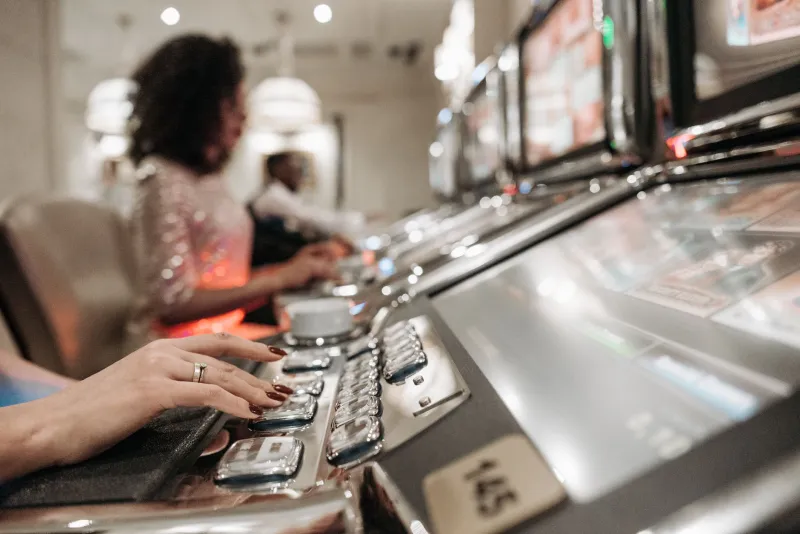
You sit down with $40 and a plan to play for maybe thirty minutes. An hour and a half later, you're still spinning, somehow surprised that the time has gone. The reels were fun, sure — but something else was happening in the background the whole time. Something you probably weren't paying attention to at all.
The music.
Not the flashy sound effects when you hit a win. Not the dramatic swell when the bonus round triggers. We're talking about the ambient layer underneath all of it — the soft ukulele chord progressions, the looping ocean surf, the distant steel drum that hums just below your conscious awareness. In tropical-themed slots especially, that audio bed is doing a lot of heavy lifting, and most players never stop to think about it.
The Vacation Brain Is a Vulnerable Brain
Here's the core idea: tropical sounds don't just set a mood. They activate a very specific mental state that most Americans associate with being on vacation — and vacation brain is fundamentally different from everyday brain.
When you're on a beach in Maui, you're not watching the clock. You're not tracking how long you've been sitting there. Time becomes elastic. You're relaxed, your guard is down, and decisions feel low-stakes because the whole point of a vacation is to stop caring so much about the details.
Slot developers know this. They know that the moment you start hearing those sounds, your brain begins reaching for that same mental framework — even if you're sitting in your apartment in Ohio at 10 p.m. on a Tuesday. The audio is a shortcut to a psychological state where time monitoring goes soft and the instinct to pause and check yourself gets quieter.
That's not an accident. It's architecture.
The Engineering Behind the Escape
Audio designers working on casino games are not just picking pleasant sounds off a shelf. There's a deliberate science to how these soundscapes are built, and tropical themes offer a particularly powerful toolkit.
First, there's the tempo. Most ambient island music in slots sits in a slow-to-moderate BPM range — think 60 to 80 beats per minute. That range is associated with relaxation and, interestingly, with a slowed perception of time. Faster music makes moments feel shorter and more urgent. Slower music stretches them out in a way that feels comfortable rather than boring. You're not rushing. You're drifting.
Second, there's the loop structure. The music in these games is designed to cycle without any obvious seam — no dramatic pause, no moment where the track clearly starts over. That seamlessness is intentional. A noticeable loop break is a small cognitive interruption, a tiny moment where your brain might register the passage of time. Remove the break, and you remove the interruption.
Third, there's the layering of natural sounds. Ocean waves have a well-documented effect on the nervous system. The rhythm of surf — build, crash, recede — mimics certain breathing patterns associated with calm. Bird calls, light wind through palms, the faint trickle of water: these aren't just pretty details. They're sensory signals that tell your body it's safe, it's calm, there's no urgency here.
Stack all three of those elements together and you've built something genuinely powerful: an audio environment that makes extended sitting feel natural, even pleasurable.
Why Tropical Themes Hit Different Than Other Slots
Compare a tropical-themed slot to, say, a fast-paced Vegas-style game with neon graphics and an upbeat pop soundtrack. Both can be engaging, but they create very different internal experiences.
The Vegas energy game keeps you alert. It's stimulating in a way that still acknowledges the passage of time — there's urgency, there's momentum, there's a sense of something happening fast. You're aware of the activity.
The island game does the opposite. It lulls. And lulling is, in some ways, a more effective retention tool than excitement, because it doesn't trigger the same mental fatigue. You can sit in a relaxed state for much longer than you can sustain high stimulation. Developers building games for long session lengths understand that relaxation keeps players in their seats more reliably than adrenaline does.
For American players especially, the tropical escape carries extra psychological weight. Most of us don't get to Hawaii very often. The idea of the islands — sun, surf, no responsibilities, pure leisure — occupies a kind of aspirational space in the cultural imagination. When a slot delivers even a thin simulation of that feeling through sound, it's tapping into something deeper than entertainment. It's tapping into longing.
What This Means for How You Play
None of this means tropical slots are bad or that enjoying them makes you a sucker. These are genuinely fun games, and part of what makes them fun is the immersive atmosphere. But knowing what the audio is doing to your sense of time is genuinely useful information.
A few things worth keeping in mind:
Time moves differently when you're in the zone. If you're playing a beautifully produced island-themed game with lush soundscapes, your internal clock is probably running slower than real time. Set an external timer — your phone works fine — before you start. Don't rely on your gut to tell you when thirty minutes have passed.
The relaxation isn't neutral. Feeling calm and unhurried is pleasant, but it's also the state in which you're least likely to notice your balance dropping. That mellow vibe can soften the edges of decisions that deserve a little more scrutiny.
Muting isn't the answer, but awareness is. You don't need to play in silence to protect yourself. Just knowing that the audio is doing something deliberate to your headspace gives you a small but real advantage. You can enjoy the atmosphere while also staying a bit more anchored to the practical stuff — your budget, your time, your original plan.
Take intentional breaks. Step away from the screen for a few minutes, even if you don't feel like you need to. Removing yourself from the soundscape briefly resets your baseline and makes it easier to check in honestly about whether you want to keep playing or whether you've just been floating along.
The Aloha State of Mind Is Worth Protecting
There's something genuinely lovely about a well-made tropical slot. The artistry that goes into those soundscapes is real, and the escape they offer — however brief and digital — scratches a real itch for a lot of players. We're not here to tell you to stop enjoying it.
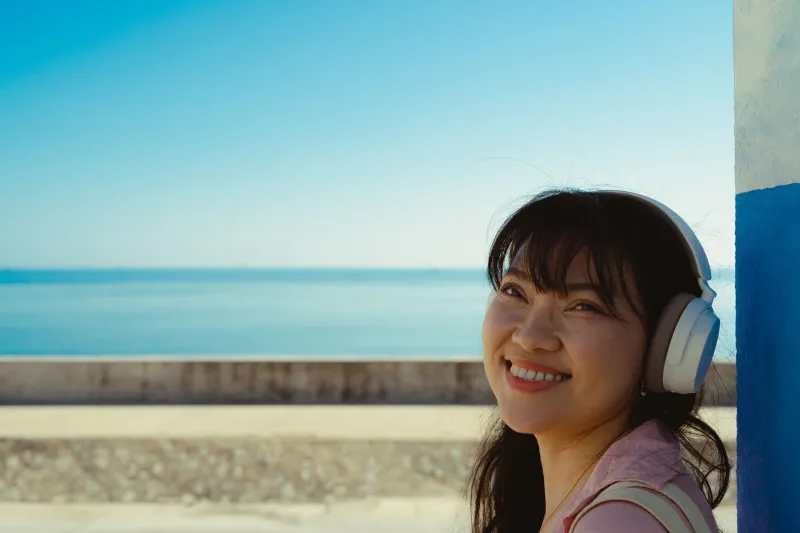
But paradise on a screen is still a screen, and the waves looping in your headphones are still a loop. The best way to keep enjoying these games is to stay just clear-eyed enough to play on your terms, not the game's.
Know what the music is doing. Set your limits before the ukulele kicks in. And then, sure — let yourself drift a little. Just not too far from shore.