You're Pressing Buttons, But Are You Really Playing? The Control Illusion Every Slot Fan Should Know
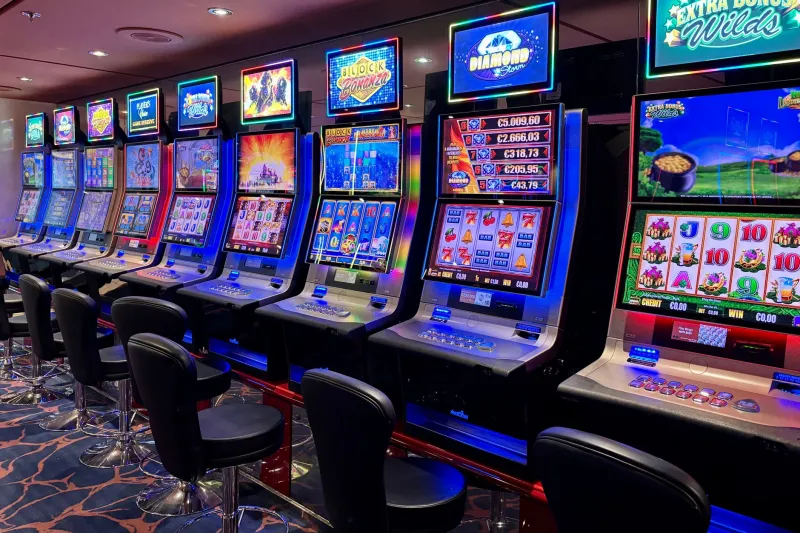
There's a moment every slot player knows. You've adjusted your bet, chosen your paylines, maybe switched machines after a cold streak. You settle in, hover your finger over the spin button, and feel — genuinely feel — like you're about to make a smart move. Like this decision matters.
It doesn't. Not in the way your brain thinks it does.
That tension between what you feel and what's actually happening inside the machine is one of the most fascinating — and honestly kind of sneaky — dynamics in all of casino gaming. And if you play slots regularly, even casually, it's worth understanding what's really going on.
The Button Is Real. The Influence Isn't.
Let's start with the most basic truth about modern slot machines, online or physical: the outcome of every spin is determined by a Random Number Generator, or RNG. This software runs continuously, cycling through millions of number combinations every second. The moment you hit spin, the RNG locks in a result. That's it. Done. The spinning reels, the dramatic slowdown, the near-miss symbols teetering on the edge — all of that is visual storytelling layered on top of a decision that was already made.
You didn't influence the result by pressing the button at exactly the right moment. You didn't improve your odds by switching from max bet to minimum bet. The machine has no memory of your last ten spins, and it has no awareness that you've been patient or reckless or anything in between.
And yet — here's the paradox — most players feel most engaged, most "in it," precisely because of all the ways the game lets them interact.
Why Designers Give You So Many Choices
Walk through any decent online slot lobby and you'll notice how many decisions you're invited to make before a single reel spins. Bet size. Number of active paylines. Autoplay settings. Turbo mode on or off. Some games let you choose bonus features, pick from treasure chests, or decide how many free spins you want versus a multiplier.
None of these choices change the underlying math in any meaningful way that benefits you as a player. The Return to Player percentage — the long-run average of what the game pays back — is baked in at the software level. Your customization options are, in large part, a user experience feature, not a strategic toolkit.
But here's the thing: they work. Giving players choices, even cosmetic ones, dramatically increases engagement. Psychologists call this the illusion of control, a term coined by researcher Ellen Langer back in the 1970s. Her studies showed that people consistently behave as though they can influence random outcomes when they're allowed to perform actions — like rolling dice themselves versus watching someone else roll. The action creates ownership. Ownership creates confidence. Confidence creates the feeling of skill.
Slot designers didn't invent this bias. They just built an entire industry around it.
Near-Misses: The Cruelest Design Trick in the Game
If the spin button is the illusion's foundation, near-miss animations are its crown jewel.
You've seen it a thousand times. Two jackpot symbols land perfectly on the payline. The third one spins... slows... and stops one position above where you needed it. Your heart rate spiked. You leaned forward. You probably said something out loud.
Here's what actually happened: you lost. Same as if all three symbols had been completely wrong. The payout is identical — zero. But your brain didn't register it that way. Research consistently shows that near-misses activate reward-related regions of the brain in ways that actual losses don't. They feel like progress. Like you're getting warmer.
And here's the part that should raise an eyebrow: near-miss frequency in slot games isn't random. Regulators in many jurisdictions allow — and game designers actively use — weighted reel configurations that make near-misses appear more often than pure probability would produce. You're not unlucky. You're being shown a specific kind of loss that's been engineered to feel like almost-winning.
That feeling of "so close" is a feature, not a coincidence.
What Genuine Slot Strategy Actually Looks Like
None of this means you're powerless as a player. But the real decisions — the ones that actually affect your experience — live outside the game itself.
Choosing a game with a higher RTP percentage is a real choice with real mathematical implications over time. Understanding a game's volatility — whether it pays out frequently in small amounts or rarely in large ones — helps you match the game to your bankroll and your patience. Setting a hard session budget before you sit down, and sticking to it, is genuine agency.
These aren't glamorous decisions. They don't come with animations or sound effects. But they're the levers you actually control.
The bet size selector? It affects how fast your bankroll moves, which is worth thinking about. But it doesn't make the next spin more likely to pay. The machine you pick after leaving a "cold" one? Same odds as the one you left. The lucky ritual before you spin? Genuinely harmless, and if it makes the experience more fun, go for it — just don't let it become a belief system.
Casual Play Is Fine. Just Know What Game You're Actually Playing.
Here at Hawaii Spins, we're all about enjoying the ride. Slots are fun. The themes are wild, the bonus rounds are genuinely exciting, and there's a real thrill in watching a multiplier stack up during a free spins feature. Nobody's here to drain the fun out of it.
But there's a version of slot play where the illusion of control stops being harmless entertainment and starts driving decisions in ways that cost you more than you planned. Chasing losses because you're "due." Bumping up your bet because you feel momentum. Staying on a machine because you've invested enough that it "owes" you something.
All of those impulses come from the same place — the deeply human need to feel like your actions matter. Slot machines are masterclasses in feeding that need. The best ones make you feel like a player even when you're essentially along for the ride.
Knowing that doesn't have to ruin the experience. If anything, it frees you up. You can enjoy the button press, appreciate the near-miss drama for the theater it is, and still make the smart calls that actually matter — how much you bring, how long you play, and when you cash out and head back to the beach.
The reels are going to do what the reels are going to do. The wave is already in motion. Your job is just to ride it well.